Practical Strategies to Declutter and Organize Small Spaces Effectively
Unlocking the Secrets to Serenity in Small Spaces
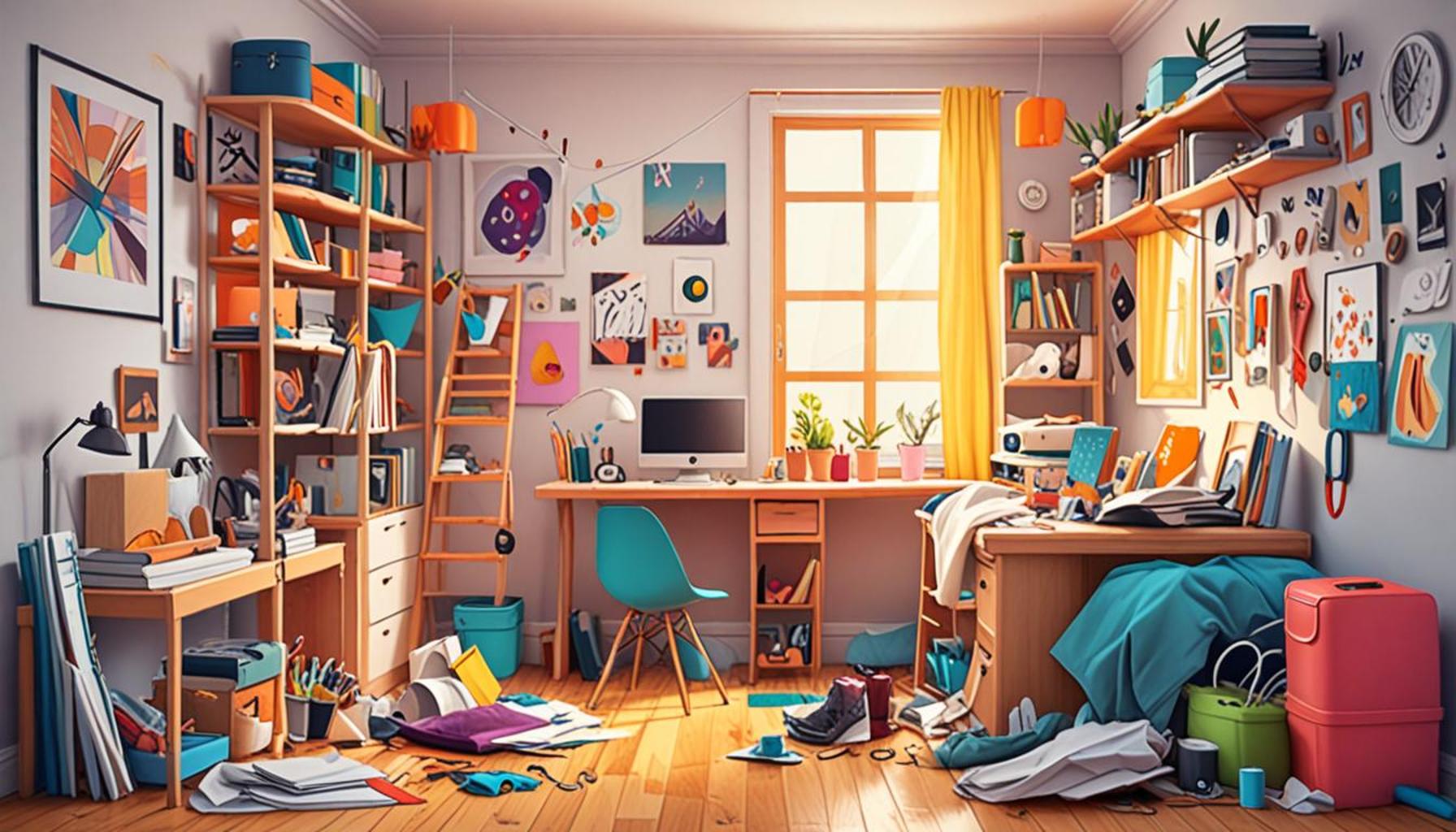
The modern world presents a paradox: as our lives become busier, our living spaces often shrink. Living in small environments can lead to chaos and clutter, which contradicts the principles of minimalism and effective personal organization. Gaining control over your surroundings is not only liberating but essential for fostering a peaceful mindset.
Understanding that every item occupies valuable real estate in your home is crucial. The connection between organization and mental clarity is well-documented, showing that a tidy space often leads to a tidy mind. As you embark on this journey, consider the benefits of implementing practical strategies tailored specifically for small spaces.
In this article, prepare to discover the Top 5 practical strategies that will transform any cramped area into an oasis of order. From innovative storage solutions to smart decluttering techniques, these insights will enable you to reclaim control over your home and elevate your daily living experiences.
Top 5 Practical Strategies to Reduce Clutter in Small Spaces
In an era defined by speed and efficiency, many are finding solace in minimalism, particularly when it comes to living spaces. Densely populated urban areas often mean smaller apartments or homes, amplifying the challenge of maintaining an organized environment. Yet, reducing clutter is not just about throwing things away—it’s a thoughtful process of maximizing utility while preserving personal style. Let’s delve into five practical strategies that can transform even the tiniest dwelling into a sanctuary of calm and efficiency.
5. Use Multi-Function Furniture
One of the most effective ways to tackle space constraints is by opting for multi-functional furniture. These cleverly designed pieces serve multiple purposes, saving space without compromising on aesthetics or usability. The selection process should focus on identifying pieces that can blend into your space naturally while offering multiple benefits.

Imagine entering a cozy apartment where every piece of furniture serves a dual purpose. A sofa bed in the living room can seamlessly transition into a comfortable guest bed, eliminating the need for a separate guest room. Meanwhile, a storage ottoman holds extra blankets or magazines, doubling as a coffee table when its top is flipped. Consider also the practicality of foldable tables. These can be easily expanded for a dinner party or collapsed for casual, everyday use.
Such furniture choices not only help in keeping clutter at bay but also drive the ethos of minimalism—everything should have a purpose, and preferably more than one.
4. Embrace Vertical Storage
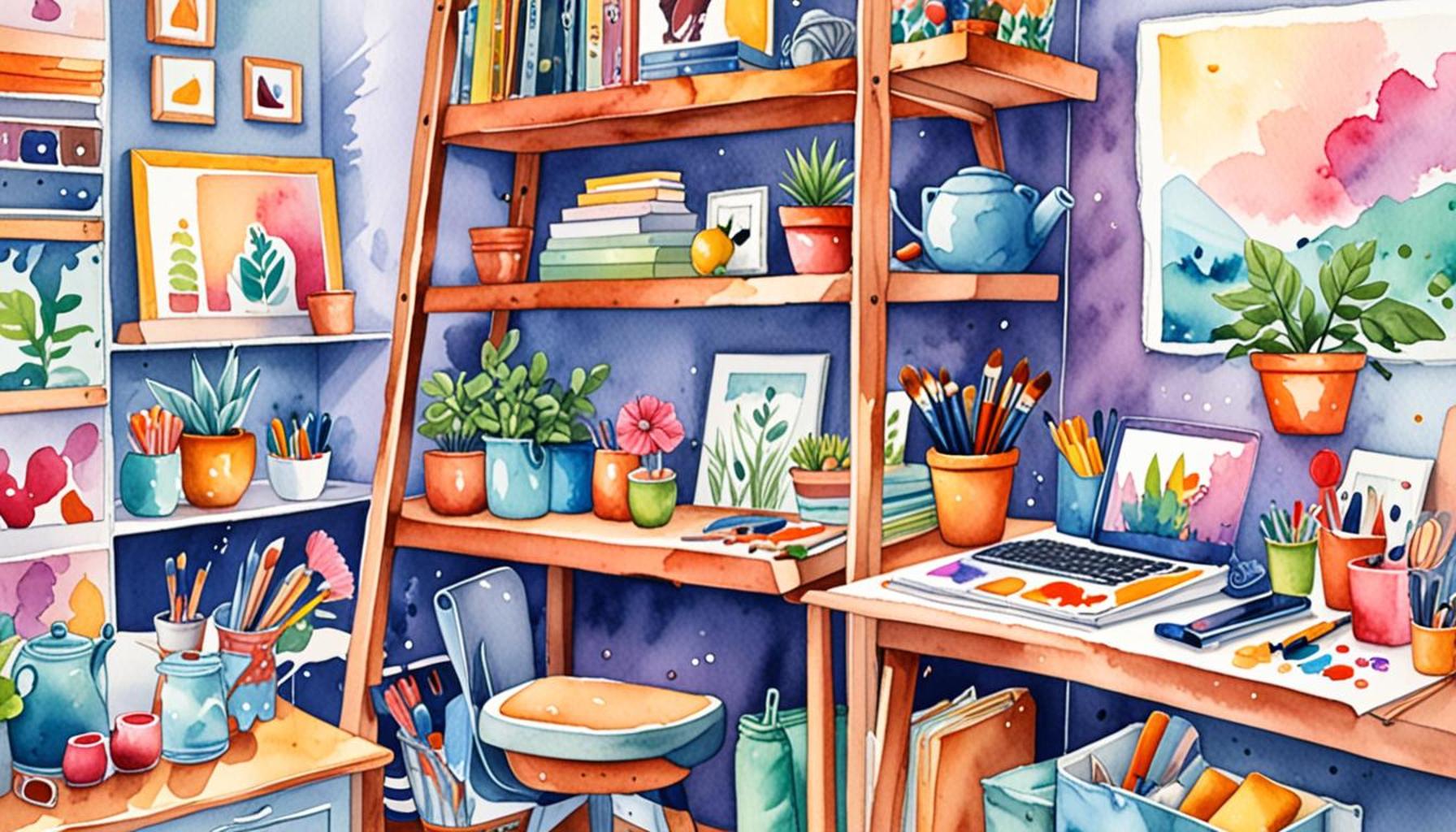
When floor real estate is limited, looking upwards opens up a world of possibilities with vertical storage solutions. Utilizing the often-overlooked vertical space in a room can drastically reduce clutter while keeping essentials neatly arranged and within reach.
Consider wall-mounted shelves, which present a chic way to display books, artwork, or indoor plants without encroaching on precious floor space. Pegboards are another innovative option, particularly in kitchens or garages, to hang utensils, tools, and other accessories in an organized manner. Similarly, over-the-door racks are an ingenious solution for storing items like shoes or kitchen spices in a way that keeps them accessible yet orderly.
Implementing vertical storage can significantly enhance the functionality and aesthetic of your home, freeing it from the overwhelming clutter that commonly plagues small spaces.
3. Utilize Organizational Bins and Baskets
Organizational bins and baskets are quintessential in the battle against disorder. These versatile tools provide a method to categorize and conceal items, transforming cluttered chaos into calm coherence. Their wide range of styles such as woven baskets, minimalist plastic bins, and decorative fabric boxes can complement any decor while serving a crucial organizational role.
Imagine a closet neatly organized into sections—work supplies contained in labeled bins, seasonal clothing sorted into stacked baskets. By labeling bins, you facilitate effortless access to stored contents, eliminating time wasted in search of misplaced items. Grouping similar items collectively—crafting materials or personal care items, for instance—can create dedicated zones that clarify both purpose and functionality.
Selecting appropriately sized and aesthetically aligning containers helps maintain a visually serene environment while providing practical storage solutions that fit seamlessly into your daily routine.
2. Practice the One In, One Out Rule
The One In, One Out rule is a powerful strategy in the pursuit of minimalism. This rule is simple yet profound: for every new item entering your space, an old item must exit. This clever strategy ingeniously prevents the accumulation of unnecessary possessions and fosters mindful consumption habits.
Picture a wardrobe where each new piece of clothing necessitates the removal of an older, less-worn item. By being mindful of purchases, you encourage the reflection on whether a new purchase will genuinely enrich your life or merely contribute to clutter. Scheduling regular decluttering sessions can also help manage inventory—re-evaluating possessions monthly can keep your belongings relevant and your space fluid.
This practice ensures that your space continuously reflects your current lifestyle and priorities, making room only for items that hold value and purpose in your life.
1. Create a Daily Decluttering Routine
The last, yet arguably most significant strategy is the commitment to a daily decluttering routine. Consistency is key in any organizational endeavor, and decluttering is no exception. By incorporating small, daily actions into your schedule, you can maintain an orderly environment effortlessly.
This routine does not have to be extensive. It could be as simple as dedicating ten minutes each evening to address hotspots where clutter tends to accumulate, such as a kitchen counter or an entryway table. Over time, this daily ritual becomes second nature, ensuring that clutter is addressed before it becomes overwhelming.
Visualize your home as a tranquil oasis at the end of a busy day—a space where you can unravel, knowing everything is in its rightful place. An established decluttering routine can help achieve this ambiance by systematically addressing items and areas bit by bit, thus fostering a habit of habitual organization.
In conclusion, these thoughtful strategies not only mitigate the stress associated with overcrowded living spaces but also inspire a minimalist mindset. Through intentional choices in furniture, embracing innovative storage solutions, and maintaining a disciplined approach to belongings, small spaces can transform from a source of stress to a refuge of tranquility and efficiency. Each strategy is interconnected, emphasizing a balance of form, function, and freedom from clutter.
| Category | Details |
|---|---|
| Multi-Functional Furniture | Versatility is key in small spaces. Using furniture that serves multiple purposes, like a daybed that doubles as a sofa, maximizes usability while minimizing clutter. |
| Vertical Storage Solutions | Utilizing wall space can transform your environment. Shelves, hooks, and wall-mounted cabinets keep the floor clear while providing essential storage. |
| Decluttering Techniques | Implementing a regular decluttering schedule helps maintain an organized space. Consider the “one in, one out” rule to control the number of items in your home. |
| Creative Storage Ideas | Explore under-bed storage, hanging organizers, and ottomans with hidden compartments. Each of these can provide significant storage options in small environments. |
By incorporating these practical strategies into daily life, you can effectively combat clutter and create a harmonious, functional living area, even within the constraints of smaller spaces. The importance of multifunctionality cannot be overstated; investing in adaptable furniture might seem daunting, but it ultimately pays off in terms of space and functionality. Furthermore, don’t underestimate the role of vertical solutions in your storage repertoire; they not only save space but also enhance the aesthetic appeal of your surroundings. Decluttering should be an ongoing effort, and with the right techniques and storage concepts, managing a smaller environment becomes not just achievable, but enjoyable.
Frequently Asked Questions About Reducing Clutter in Small Spaces
What are some effective strategies to start decluttering?
Starting with small, manageable areas can make the decluttering process less overwhelming. Experts suggest focusing on one zone at a time, such as a single shelf or a drawer. Donating or discarding items you no longer need is crucial. Adopting the “one in, one out” rule can help maintain order over time, as can scheduling regular decluttering sessions.
How can I maintain a clutter-free environment with a busy lifestyle?
Maintaining a tidy space amidst a hectic schedule requires consistent effort and organization. Implementing daily habits like setting aside 10 minutes each day to tidy up can help enormously. Additionally, incorporating storage solutions such as boxes or containers will assist in keeping items organized. Consider using visual planners or apps to remind you of these tasks, leveraging technology to keep your space neat and organized.
Are there specific storage solutions suitable for small spaces?
Yes, there are numerous storage solutions designed specifically for compact areas. Look for furniture with built-in storage, like ottomans or beds with drawers underneath. Vertical storage options, such as wall-mounted shelves, can maximize space without consuming floor area. Using hooks on doors and walls can also free up space, while collapsible or stackable storage bins allow for flexibility and efficient use of available space.
What psychological benefits can one expect from reducing clutter?
Decluttering not only impacts physical space but also affects mental well-being. A tidier home can lead to reduced stress, improved focus, and heightened productivity. Studies have shown that a less cluttered environment can foster a sense of control and calm. The process of decluttering can also be therapeutic, offering a sense of accomplishment and clarity as you create order in your living space.
How can I involve my family in maintaining a clutter-free home?
Engaging family members in the decluttering process is essential for sustained results. Setting clear expectations and establishing regular family cleaning routines can promote teamwork and accountability. Creating a reward system for maintaining order can motivate children. Encourage everyone to participate in decision-making about what to keep and what to discard, fostering a collective investment in maintaining an organized home.
Conclusion: Embracing Order in Constrained Spaces
As our exploration into practical strategies for reducing clutter in small spaces draws to a close, it’s pivotal to reflect on the core principles that emerged. These strategies not only enhance physical space but also promote mental clarity and a minimalist lifestyle. Through this lens, we’ve discovered that thoughtful organization can truly transform cramped environments into serene sanctuaries.
First and foremost, the importance of prioritizing what truly matters cannot be overstated. By focusing on essential items and eliminating excess, you pave the way for a minimalist approach that allows you to make the most of limited space. Implementing smart storage solutions—using vertical space or multifunctional furniture—enhances efficiency and maximizes the functionality of every square inch. This ingenuity transcends simple tidiness, transforming small living areas into hubs of comfort and utility.
Moreover, establishing a regular decluttering routine helps maintain order and prevents the accumulation of unnecessary items. This proactive approach is crucial for anyone committed to upholding the values of personal organization and minimalism. Such habits instill discipline, encouraging a thoughtful examination of what we truly need and cherish.
The journey toward a clutter-free life in small spaces requires mindfulness and intentional decision-making. By adopting these strategies, individuals can not only create more inviting and spacious environments but also embrace a lifestyle that prioritizes simplicity and contentment. As we continue to seek balance in our ever-evolving world, harnessing the power of organization stands as a beacon of modern minimalism.