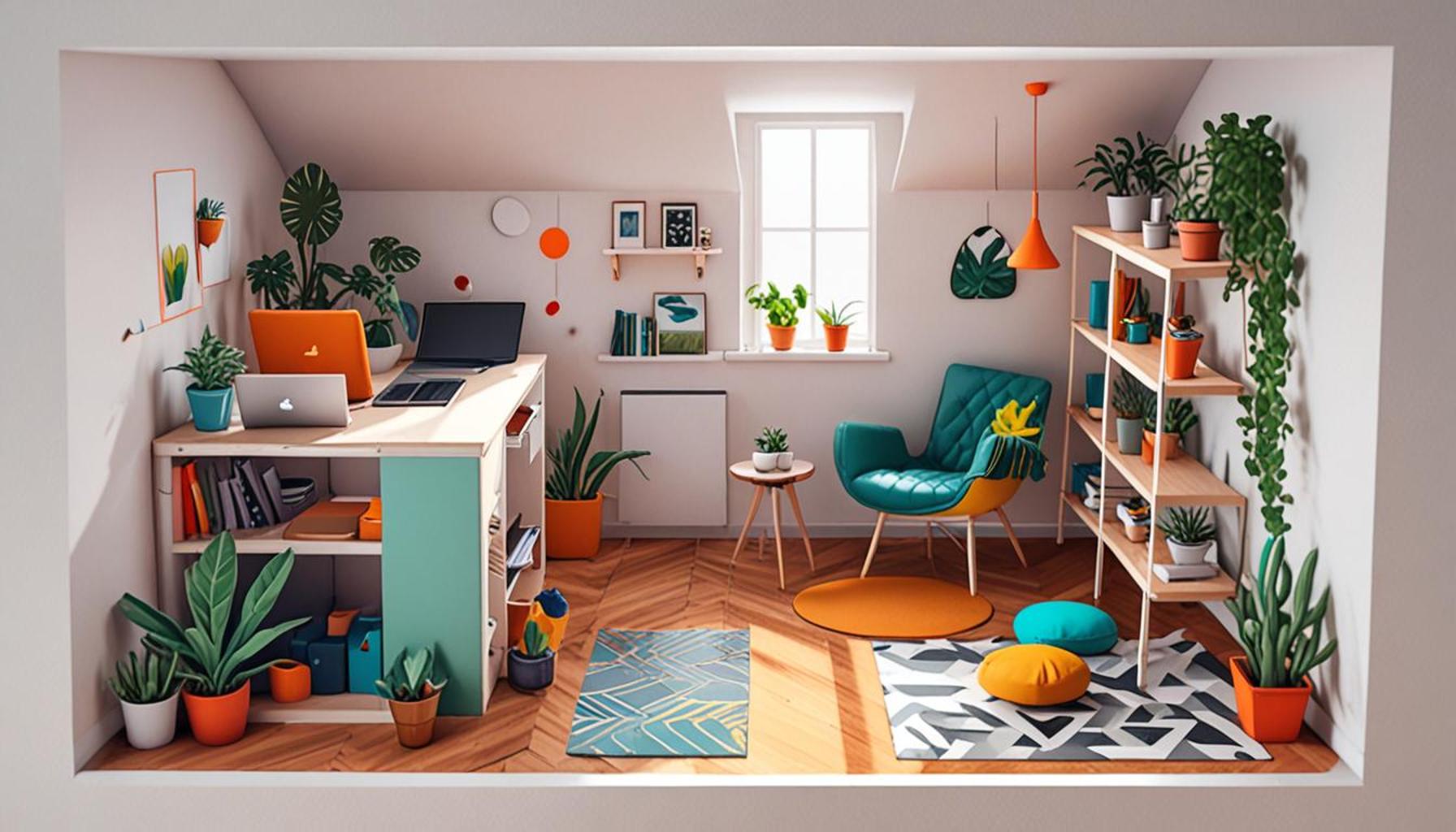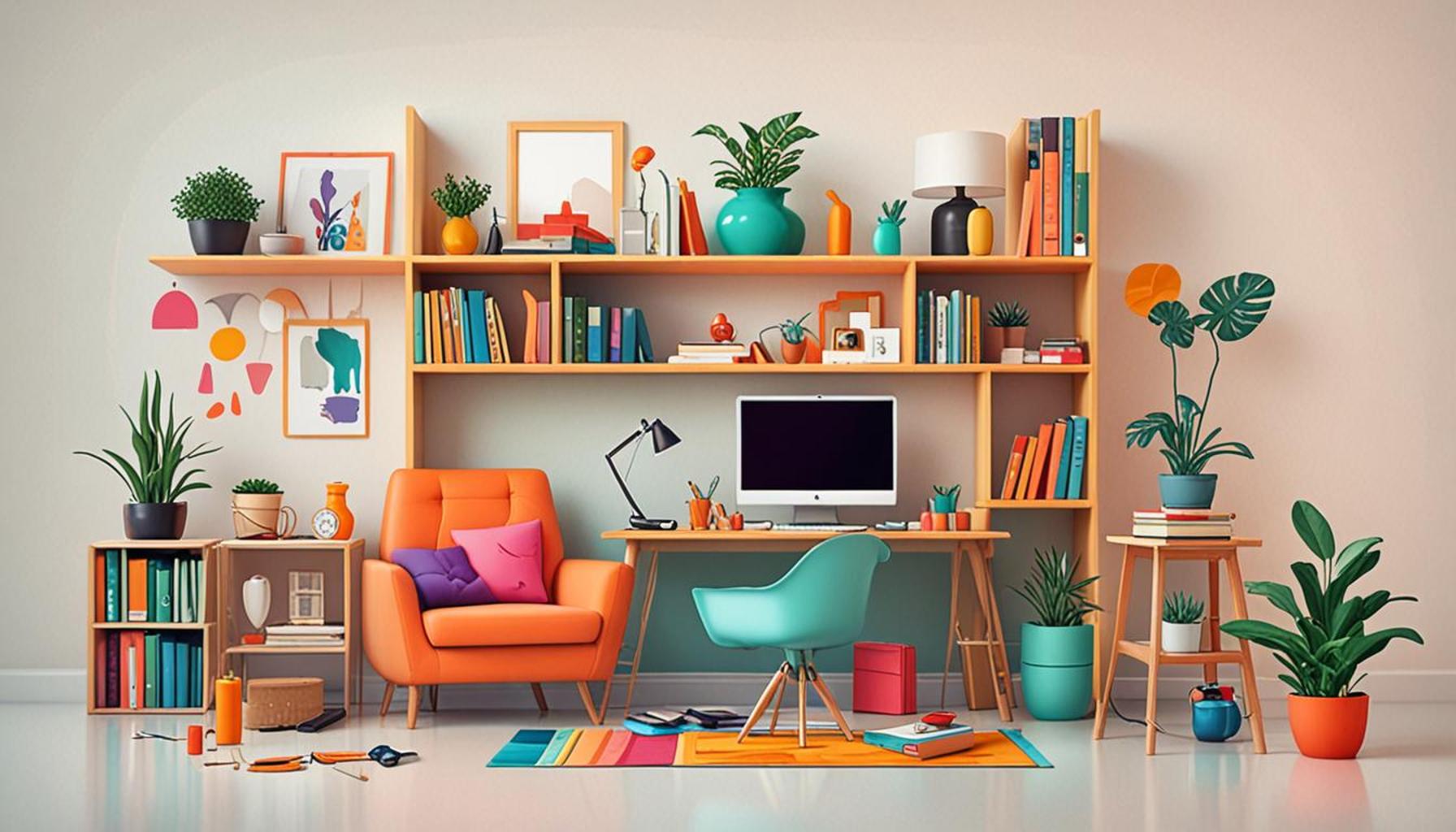
Maximizing Small Spaces Minimalist Space Optimization Strategies
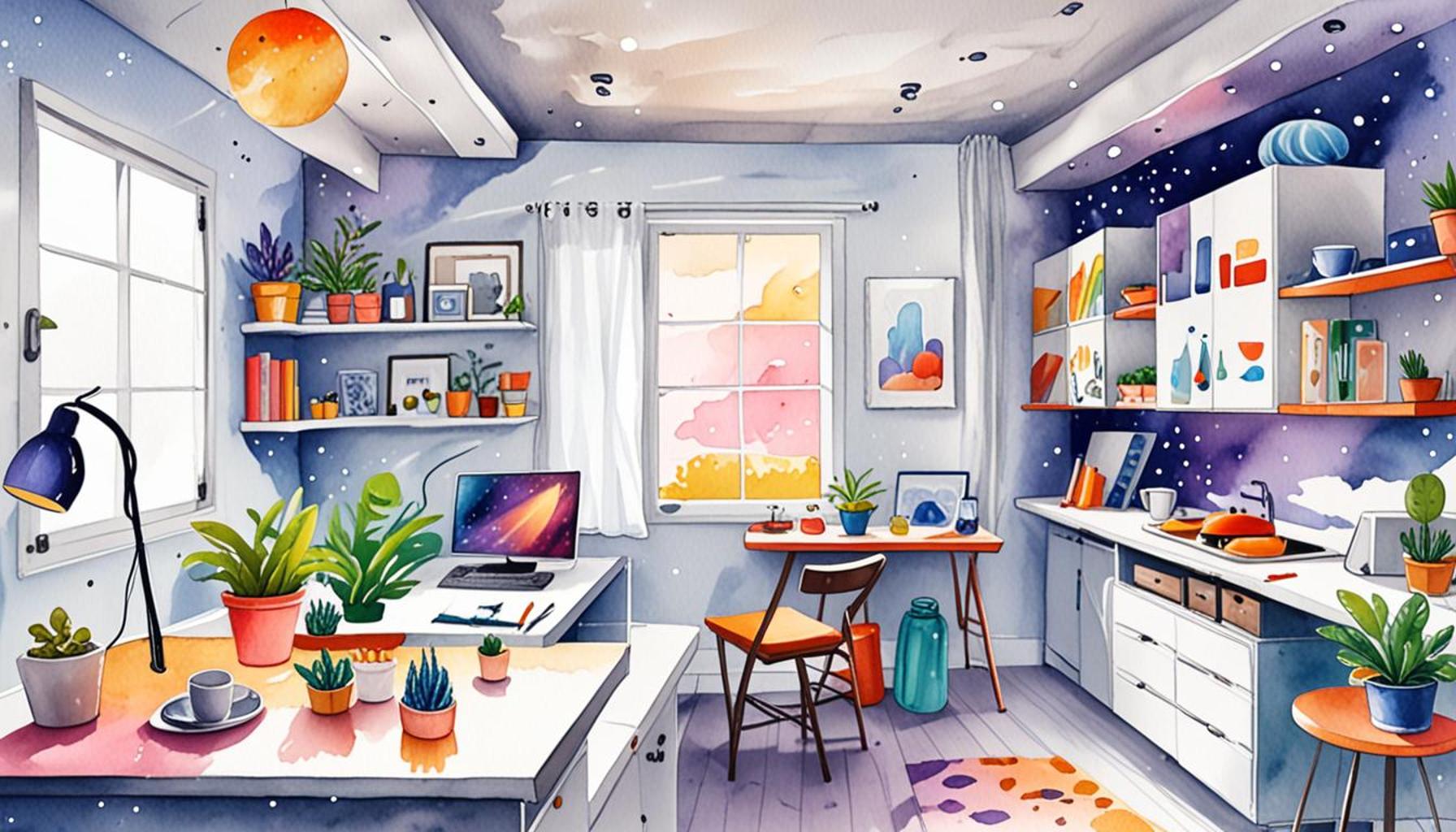
Embracing Small Living: The Art of Space Optimization
In today’s fast-paced world, embracing a minimalist lifestyle has become more than just a trend; it’s a powerful choice for enhancing personal organization and well-being. With urban environments growing denser, many find themselves living in smaller spaces, making effective space management crucial. This article will explore strategies that can transform cramped quarters into organized sanctuaries.
For those seeking to simplify their environment, understanding the principles of minimalism is key. It’s not just about decluttering but also about maximizing every inch of your home. Here are some of the benefits of optimizing small spaces:
- Increased functionality: Every item has a purpose.
- Reduced stress: A tidy space fosters a calm mind.
- Financial savings: Less clutter means less spending.
In this article, we will present the Top 5 strategies to optimize small living areas while embracing a minimalist mindset. These practical tips will inspire you to rethink your space and create a home that reflects clarity and efficiency.
Maximizing Small Spaces: Top 5 Optimization Strategies for Minimalist Environments
In an age where the mantra “less is more” is resonating more than ever, the art and science of maximizing small spaces have gained significant relevance. With increasing urbanization and the consequent shrinking of living spaces, creating a functional yet stylish home has become essential. Whether adapting to a compact apartment, streamlining your possessions, or simply seeking to embrace minimalism, optimizing your environment can lead to a more fulfilling lifestyle. Let’s delve deeper into five strategic approaches to redesigning your compact spaces, ensuring they are both efficient and aesthetically pleasing.
5. Utilize Multi-functional Furniture
In the realm of interior design, multi-functional furniture stands as a beacon of innovation and practicality. As metropolitan areas expand and space becomes a premium, the demand for furniture that serves more than one purpose has surged. Consider the following:
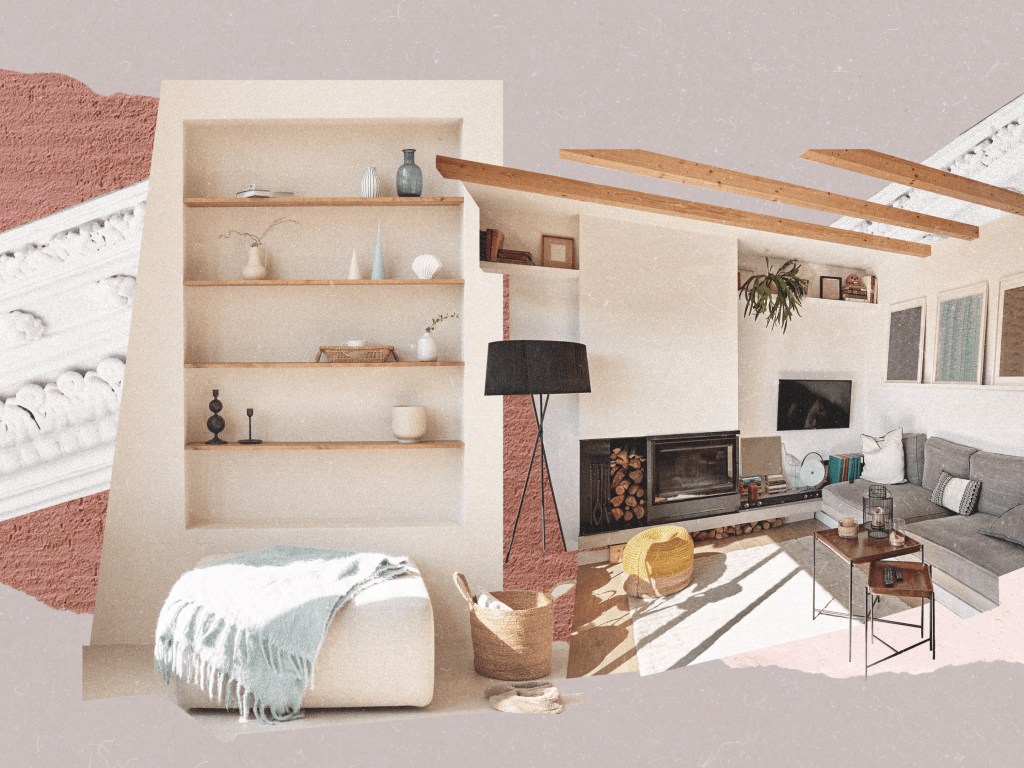
- Sofas: Sleeper sofas are not your grandmother’s hide-a-bed anymore. Modern designs offer comfort with style and serve a dual purpose by eliminating the need for a guest bedroom, thus freeing up extra square footage.
- Coffee Tables: Dual-function tables with integrated storage can house everything from remote controls to books, keeping your living area clutter-free. Some designs even elevate to double as a desk.
- Ottomans: Ingenious storage ottomans not only provide a comfy spot to rest your feet but can also store everything from toys to blankets, concealing clutter in plain sight.
When integrating multi-functional furniture, seek pieces that reflect your personal style and organizational needs. From Scandinavian simplicity to industrial chic, this tactical investment brings both practicality and harmony to your minimalist sanctuary.
4. Embrace Vertical Storage
The concept of vertical storage maximizes small spaces by exploiting often-overlooked areas: the walls. This strategy transcends mere shelving; it transforms how we perceive and utilize available space. For example:
- Wall-mounted shelves: These are not simply about placing an item higher. By creating visual vertical lines, they can make a room seem taller, effectively expanding the space.
- Hooks: Thoughtfully placed hooks can keep items you use daily at arm’s reach. They can also help display beautiful fashion pieces, transforming them into functional design elements.
- Over-the-door shelves: Capitalize on door space by introducing shelving systems that hold everything from pantry staples to personal toiletries, keeping your daily essentials hidden yet accessible.
Optimizing vertical space not only enhances storage capacity but also contributes to a cleaner, more structured appearance throughout your home, making every room feel larger and more inviting.
3. Opt for Foldable and Collapsible Items
The beauty of foldable and collapsible items lies in their transformative capabilities. They adapt to your needs, offering dynamic solutions to conventional space limitations. Consider these points:
- Space-saving: By folding away chairs or collapsing tables when not in use, you open your living space, maintaining an airy and uncluttered atmosphere.
- Versatile: Such items are adaptable to various contexts—morning yoga mats become evening dining areas, or work-from-home stations revert to entertainment zones in seconds.
- Affordable: Generally more budget-friendly, these pieces allow for flexibility without heavy investment, perfect for those easing into minimalist living.
Integrating these adaptable items can dramatically enhance your space’s utility, nurturing a functional environment that graciously accommodates both your routine and spontaneous activities.
2. Prioritize Decluttering and Minimalism
At the heart of minimalism thrives the principle of decluttering. It embodies the idea that our possessions should serve us, not the other way around. Here are actionable steps for your decluttering journey:
- Set a Regular Schedule: Consistent organization cultivates a habit. By assessing and purging extraneous items weekly or monthly, you maintain a streamlined home environment.
- Implement the One In, One Out Rule: This keeps clutter at bay by ensuring that your acquisition of new items is balanced by releasing old ones, fostering mindful consumption.
- Use the Four-Box Method: Simplify decisions by categorizing items into “Keep,” “Sell,” “Donate,” and “Trash.” This methodical approach helps mitigate the overwhelm often associated with decluttering.
Decluttering not only liberates physical space but also mental space, paving the way to a serene and unencumbered living area, in alignment with the minimalist ethos.
1. Create a Cohesive Color Palette
A thoughtfully chosen color palette can be a subtle yet bold tool in crafting the illusion of space. A unified scheme does more than harmonize aesthetics; it also influences the perception of space. Here’s how:
- Light and Neutral Tones: Whites, beiges, and soft grays reflect more light, making spaces appear brighter and airier. They serve as a versatile backdrop that complements minimalist decor.
- Accent Colors: Incorporating small pops of color, through cushions or art, adds personality without overwhelming the senses. These can serve to highlight architectural features or direct attention to certain areas.
- Consistent Theme: Maintaining a consistent color theme across rooms provides a seamless transition from one space to another, ensuring your home feels like a cohesive whole rather than disjointed sections.
Employing a cohesive color palette is a powerful means to unify and expand your environment, allowing you to harness the transformative potential of color to redefine your living space’s ambiance.
In conclusion, by strategically employing these five optimization strategies, small spaces can be transformed into practical and aesthetically pleasing sanctuaries. Embracing multi-functional furniture, capitalizing on vertical storage, incorporating foldable items, prioritizing decluttering, and creating a cohesive color palette collectively enhance your space’s utility and allure. These approaches not only accommodate your immediate needs but also align with the enduring principles of minimalist living, supporting a lifestyle steeped in simplicity and purpose.
| Category | Details |
|---|---|
| Smart Storage Solutions | Utilizing vertical space through shelves, wall-mounted units, and hidden compartments creates a clutter-free environment. |
| Multipurpose Furniture | Transformative</strong items such as sofa beds and extendable dining tables enhance functionality without occupying excess space. |
| Color Psychology | Using light colors on walls and furnishings can create an illusion of a larger space, making cramped areas feel open and airy. |
| Natural Light Utilization | Incorporating mirrors to reflect light or choosing light-filtering window treatments amplifies existing light, enhancing the space’s ambiance. |
In this exploration of optimizing small spaces for minimalist environments, the emphasis is laid on making strategic choices in design and decor. Every decision from furnishings to color schemes plays a significant role in achieving a serene and spacious aura. Looking closely at **smart storage solutions**, the current trend highlights the importance of maximizing storage without compromising aesthetics. Creative designs, such as modular shelves or built-in cabinetry, allow you to store essential items discreetly, preserving the overall feel of the room. Moreover, opting for **multipurpose furniture** not only tackles the space issue but also reflects a shift towards sustainability. By investing in versatile pieces that adapt to multiple needs, one can reduce clutter while being economically savvy. For instance, a well-crafted sofa bed can provide overnight accommodation without the need for a dedicated guest room.As for **color psychology**, recent studies suggest that lighter shades not only connect spaces visually but also influence our mood and perception. By selecting soft pastels or calming whites, one can manipulate the feel of a space entirely, creating a welcoming environment that feels expansive.Lastly, the clever use of **natural light** can dramatically alter the atmosphere of small interiors. Strategic placements of mirrors can bounce light around, while the right window treatments can facilitate light flow, bridging the indoors with the outside world, which invariably expands the perceived size of an area.By embracing these strategies, individuals living in smaller spaces can transform their homes into elegant, efficient sanctuaries that celebrate minimalism while sidestepping the pitfalls of overcrowding.
Frequently Asked Questions on Optimizing Small Spaces
How can I make the most out of a small living area without it feeling cluttered?
One effective approach is to adopt a minimalist mindset. This involves simplifying decor and furniture; choosing multifunctional pieces, like a sofa bed or a table with storage, can be a game-changer. Utilize vertical spaces with shelves or tall cabinets to free up floor space. Remember, less is often more when it comes to maintaining a clean and uncluttered ambiance in small areas.
What colors work best to make a small room look larger?
Choosing the right colors can greatly impact the perception of space. Light and neutral colors, like whites, beiges, and pastels, can make a room feel more expansive and airy. They reflect light better, which enhances the space. Meanwhile, using one or two bold accents can add visual interest without overwhelming the room. Experimenting with light color palettes is a simple yet effective strategy for enhancing spatial perception.
Are there any specific furniture styles that are better suited for compact spaces?
Yes, there are! Opt for furniture styles that have a light and airy look. Pieces with clean lines and open legs create an impression of openness. Mid-century modern and Scandinavian designs are excellent examples, often incorporating these features into their design philosophy. Besides style, look for furniture that offers dual functions, like ottomans with hidden storage or foldable desks, which can maximize utility without compromising style.
How can smart storage solutions help in optimizing small spaces?
A key to optimization lies in the use of creative storage solutions. Hidden storage, such as under-bed drawers or built-in units, can keep belongings out of sight, maintaining a tidy environment. Consider wall-mounted racks or hooks for frequently used items, offering easy access while saving space. Innovative storage is all about seamlessly integrating functionality with the existing decor, allowing for a more organized and spacious living area.
Is it possible to maintain a minimalist aesthetic in a small kitchen?
Absolutely, it is feasible to maintain a minimalist aesthetic in compact kitchens. Prioritize the essentials by focusing on necessary appliances and storing seldom-used items out of sight. Streamlined cabinetry and sleek countertops can enhance the sense of simplicity. Incorporating pull-out pantries or adjustable shelves provides flexibility and maximizes storage. Keeping surfaces clear of excess items underlines the minimalist vibe, creating a more inviting and efficient cooking space.
Conclusion
In the pursuit of a more balanced and organized life, understanding the art of maximizing small spaces has become increasingly important, especially as more individuals embrace a minimalist lifestyle. Throughout this article, we explored diverse strategies for enhancing and optimizing small environments, ultimately proving that a minimalist approach to space can lead to a significant and meaningful transformation.
Key takeaways from the discussion include the significance of multi-functional furniture, which not only serves more than one purpose but also saves precious square footage. The integration of streamlined storage solutions can hide clutter while maintaining an elegant, neat appearance. Harnessing the power of vertical space further maximizes capacity while granting a sense of openness often lacking in compact areas. Moreover, embracing the power of light and color can significantly impact perceived space, offering a sense of tranquility and spaciousness through strategic use of colors and lighting.
The growing interest in minimalist living underscores a profound shift towards valuing quality over quantity, making personal organization and spatial efficiency crucial components of this lifestyle. By effectively integrating the strategies highlighted, one can significantly enhance their surroundings, transforming their small space into a haven of simplicity and purpose.
Ultimately, the importance of mastering the art of space optimization lies in its ability to create an environment that supports both well-being and productivity. As urban and compact living situations rise globally, these methods not only present practical solutions but also inspire a reimagining of how we interact with our spaces. Whether you’re a long-time minimalist or simply seeking to reclaim your space, these strategies provide a foundation for a more organized, efficient, and serene environment.