Maximizing Small Spaces: Optimization Strategies for Minimalist Environments
Reimagining Your Living Space
As urban areas burgeon and the appeal of minimalism continues to soar, embracing the art of maximizing small living spaces has become a pivotal aspect of modern life. With living costs ever-increasing in city centers, optimizing every inch of your home is not merely a matter of style; it is a pressing necessity. The way we arrange our small spaces impacts not just aesthetics but also our overall well-being and functionality in daily life.
To make the most out of limited square footage, several innovative strategies can be employed, transforming compact areas into havens of organization and comfort. Let’s explore these key optimization techniques:
- Multifunctional Furniture: Investing in furniture that serves various purposes can dramatically alter the usability of small spaces. For instance, a sofa bed can provide a comfortable seating area during the day and transform into a cozy sleeping space at night, which is especially valuable in studio apartments. Additionally, ottomans with hidden storage can double as coffee tables while keeping clutter at bay.
- Vertical Storage Solutions: Maximizing wall space is crucial in compact living environments. Installing floating shelves can help display books, plants, or decorative items, freeing up floor space while adding character. Furthermore, pegboards can serve as a versatile organizational tool in kitchens or crafting areas, allowing easy access to utensils or tools without consuming valuable desk or countertop space.
- Decluttering Techniques: A meticulous examination of belongings can yield liberating results. Implementing a “one in, one out” policy where for every new item brought into the home, an old one is discarded can help maintain balance and reduce clutter. Consider seasonal decluttering as well—prioritizing items that are essential for your current lifestyle and donating or recycling those that are not actively used.
- Smart Technology: Integrating smart home devices can significantly enhance the efficiency of small living spaces. For example, smart thermostats can optimize energy consumption, while voice-activated assistants like Amazon Alexa or Google Home can manage tasks hands-free, making daily routines smoother. Smart light switches that adjust brightness can create ambiance, making a room feel larger than it is.
Embodying these strategies allows residents to effectively transform their environments, turning tight quarters into sanctuaries of comfort and style. As we delve into these techniques, you will discover not only practical solutions but also the creativity that can flourish within limitations.
Are you eager to learn more about these transformative strategies? Continue reading to uncover innovative methods that will enable you to amplify the potential of your small living area.
DISCOVER MORE: Click here to learn about the emotional benefits of decluttering
Revolutionizing Organization and Design
In the quest for maximizing small spaces, embracing creativity and functionality is paramount. The integration of thoughtful design elements not only amplifies the aesthetics of your home but also enhances its practicality. Understanding how various optimization strategies work in tandem can lead to a more harmonious living environment.
When it comes to optimizing small spaces effectively, it’s essential to focus on organizational strategies that promote fluidity and accessibility. Here are several impactful methods to consider:
- Layered Lighting: This concept is often overlooked but plays a pivotal role in enhancing a small living space. Utilizing a mix of ambient, task, and accent lighting can create depth and make a room feel more expansive. For instance, placing soft LED strip lights under shelves or installing dimmable light fixtures can transform a cramped area into a cozy, inviting atmosphere. Additionally, using mirrors strategically can reflect light and increase the sense of space, offering an elegant solution for lighter rooms.
- Color Psychology: The choice of colors in a small space can significantly influence perception. Lighter shades can make rooms feel larger and more open, while strategic use of darker hues can define areas or create focal points. For example, consider incorporating pastel tones or whites in high-traffic areas like kitchens and living rooms to brighten up these spaces, thereby cultivating an illusion of spaciousness. On the other hand, dark accent walls can add character and sophistication to dining nooks, balancing the airy feel with depth.
- Open Floor Plans: Removing non-load-bearing walls can dramatically change the dynamics of a small space, allowing for a seamless flow between different areas. If you have the means, consider renovating to create an open-concept design that can enhance functionality and social interaction, pivotal for larger families or individuals who enjoy entertaining. Incorporating multi-functional furniture, like a dining table that doubles as a workspace, can further maximize this fluidity and community feel within the area.
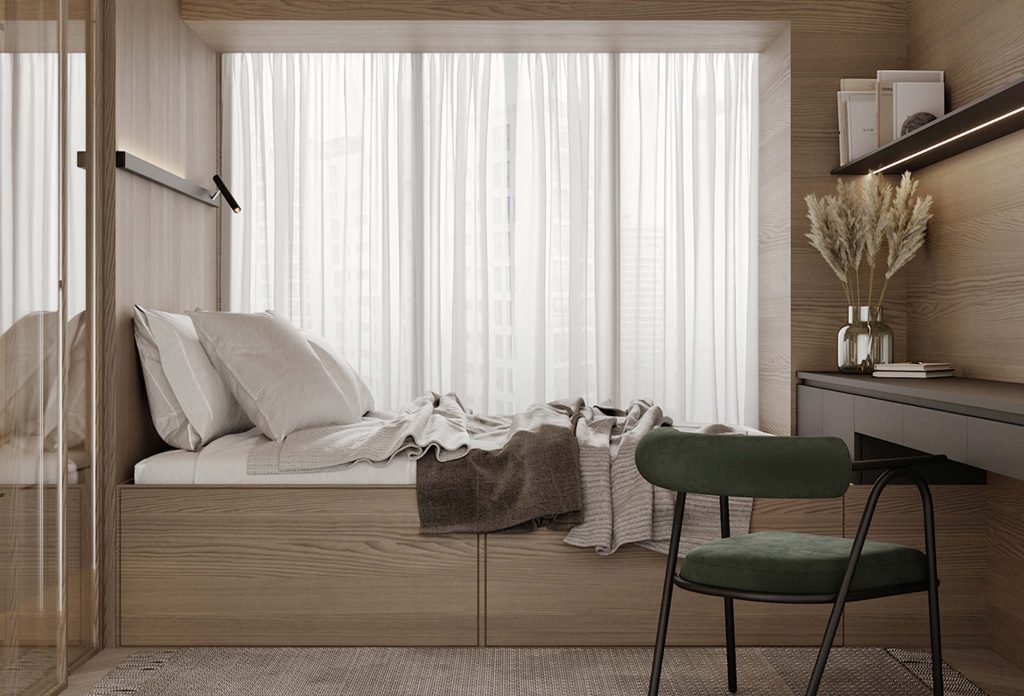
- Built-In Solutions: Custom built-ins can maximize vertical space and reduce clutter. Whether it is a built-in bookshelf, desk, or seating with storage underneath, these solutions are tailored to fit seamlessly into your layout. For instance, a built-in window seat with drawers can provide both seating and storage, turning a typical idle corner into a functional part of your home. By opting for built-in elements, you utilize the available space efficiently and create a more organized visual appeal.
With the combination of these strategies, the potential for transforming small living spaces is boundless. The intricate balance between aesthetics and functionality is not only achievable but enjoyable when approached with a mindset rooted in innovation and intention. Each decision—ranging from lighting choices to the integration of color—can contribute significantly to the overall vibe and usability of your home.
Are you ready to elevate your small space into a beautifully optimized retreat? Stay tuned for more insightful tips that will allow you to harness the full potential of your living environment. Explore trends in micro-living, consider eco-friendly design solutions, and discover how technology can further streamline and enhance your settings for a more organized lifestyle.
| Category | Description |
|---|---|
| Furniture Selection | Choosing multifunctional furniture like sofa beds or storage ottomans to maximize utility and minimize clutter. |
| Vertical Space Utilization | Using wall-mounted shelves and hooks to free up floor space while making area visually appealing and organized. |
Optimizing small environments revolves around clever strategies that enhance functionality while sustaining a chic aesthetic. The art of selecting the right furniture can transform cramped rooms into versatile spaces. For instance, consider incorporating foldable tables that can expand during gatherings but remain compact on regular days. Moreover, tall bookshelves or ladder racks not only enhance storage options but can also serve as decorative elements, making the most out of vertical heights.Effective lighting plays a crucial role in small space optimization. Utilizing mirrors can create an illusion of depth and brightness, thus making a room feel more expansive. Layering different light sources—overhead, task, and ambient—can add dimension and warmth to minimalist spaces, ensuring they don’t feel stark or uninviting.Additionally, color choices deserve attention. Light colors open up spaces, while strategic use of darker shades can add depth and sophistication. When combined with thoughtful decor, these factors can significantly influence the feel of a small area without overwhelming it. By embracing innovation in design and decor, even the tiniest of spaces can be transformed into an airy and inviting sanctuary.
DISCOVER MORE: Click here to simplify your life and reduce stress
Innovative Space-Saving Techniques
As urban living continues to rise, the challenge to maximize small spaces has prompted a wave of innovative space-saving techniques designed to meld comfort with functionality. The modern minimalist trend not only promotes a decluttered aesthetic but also champions practical solutions that can redefine how we perceive and utilize our homes. Below are cutting-edge strategies that can help elevate your living space to new heights of efficiency.
- Furniture on Wheels: The versatility of mobile furniture cannot be overstated. Incorporating multi-functional pieces, such as a rolling cart or a sofa on wheels, allows for easy reconfigurations according to the need of the moment. For example, a rolling kitchen island can serve as a prep station while providing additional storage, and can be moved to open up floor space when entertaining. This kind of adaptability empowers residents to maximize their space dynamically and creatively.
- Vertical Gardens: In a world where outdoor space is limited, vertical gardens emerge as a sustainable solution. Not only do they contribute to air quality, but they also lend an aesthetic appeal that brings life into small interiors. Hanging planters or wall-mounted systems can transform a plain wall into a vibrant focal point, offering both beauty and the psychological benefits of greenery without taking up valuable horizontal space. Herbs, succulents, or even decorative plants can create a refreshing atmosphere in any compact apartment or home.
- Smart Home Technology: The integration of smart home technology offers a seamless way to maximize efficiency in small spaces. Devices such as programmable thermostats, smart lighting systems, and voice-activated assistants can optimize energy use, thereby enhancing living conditions while conserving space. Gadgets that fold or retract, like wall-mounted desks or pull-down murphy beds, illustrate how technology can facilitate both modern convenience and aesthetic appeal, making even the tiniest spaces livable and inviting.
- Modular Furniture: Investing in modular furniture is a game-changer for small space optimization. These adaptable pieces allow you to rearrange the layout and functions of your furniture according to daily needs. For instance, a modular sofa can be transformed into various seating arrangements—a chaise lounge, a bed for guests, or even separated to create distinct areas within an open floor plan. This flexibility makes it simple to personalize a space while maximizing usage potential.
Furthermore, organizers and compact storage solutions are essential allies in the quest for balance in minimalist environments. Shelf organizers, drawer dividers, and containers can assist in maintaining order and increasing the functionality of any area, making it easier to find items while keeping clutter at bay. By embracing such smart design choices, residents can curate their spaces thoughtfully, merging beauty with practicality.
Leveraging these innovative strategies can drastically transform a cramped living area into a well-organized and visually appealing environment. Each unique solution provides opportunities for experimentation and personalization, encouraging individuals to engage actively with their spaces while cultivating an atmosphere of comfort and style.
Stay connected as we continue to delve into additional aspects of maximizing small spaces, exploring how aesthetics harmonize with utility for a more satisfying living experience. Whether your goal is to create a serene sanctuary or a bustling hub of activity, the world of space optimization holds the key to realizing your vision.
DIVE DEEPER: Click here for effective strategies
Conclusion
In a world where urbanization is rapidly increasing, the importance of maximizing small spaces cannot be overstated. The shift toward minimalist environments invites an exploration of innovative techniques tailored to enhance utility without sacrificing style. From adaptable furniture on wheels to smart home technology, the strategies discussed provide a toolkit for transforming any compact living area into a functional haven.
Equally significant is the role of personalization—integrating modular furniture and vertical gardens allows individuals to express their unique aesthetics while maintaining efficiency. Each element serves a dual purpose, merging practicality with visual appeal, resulting in a sophisticated living experience. Moreover, utilizing organizers and storage solutions stands as the backbone of a clutter-free lifestyle, ensuring that each item has a dedicated space.
As we embrace these trends, it’s essential to remember that the essence of maximizing small spaces lies in individuality. The art of optimization is about more than just arranging furniture; it encompasses a mindset that values every square inch while celebrating personal taste. With these insights, readers are encouraged to embark on their journey of space transformation, understanding that small environments can yield enormous potential. Whether you yearn for a serene retreat or an efficient workspace, the path to achieving your ideal minimalist environment is now more accessible than ever.
Stay tuned for further explorations into the world of interior design, where the intersection of technology, creativity, and functionality continues to redefine how we live in smaller spaces.