Smart Organization Transform Your Home into a Minimalist Refuge
In a world increasingly filled with distractions and clutter, the concept of minimalism has gained significant traction. Embracing this lifestyle not only declutters physical spaces, but also promotes mental clarity and emotional wellness. By adopting smart organization techniques, individuals can transform their homes into personal sanctuaries that reflect simplicity and purpose.
Minimalism emphasizes the value of experiencing life with less. It encourages a focus on quality over quantity, fostering environments conducive to relaxation and creativity. In this context, the following insights will spotlight the Top 5 smart organization strategies to help you create your ideal minimalist refuge.
- Understanding the principles of minimalism
- The role of smart organization in personal wellness
- Practical tips for decluttering your space
- Key benefits of transforming your home
- Inspiration to keep you motivated on your journey
Prepare to discover how thoughtful organization not only simplifies your surroundings but also enhances your overall well-being.
Top 5: How Intelligent Organization Can Transform Your Home into a Minimalist Sanctuary
In today’s fast-paced world, where we are constantly bombarded with distractions and a surplus of stimuli, the concept of a minimalist sanctuary has gained significant attention. Intelligent organization is not merely about clearing space but about creating an environment that fosters peace, functionality, and efficiency. Below, we explore the top five elements that can help transform your home into a minimalist retreat, starting from the fifth and working up to the first.
5. Less Is More: The Power of Letting Go
The first step towards creating a minimalist sanctuary is understanding the concept of letting go. Instead of accumulating objects and possessions, begin questioning the necessity of each item. By doing this, you can simplify your daily life, in turn, gaining mental clarity and a more serene space. Ask yourself: “Does this item truly add value to my life?”
To initiate this process, consider employing the four-box technique:
- Keep: Items that you use regularly and love.
- Donate/Recycle: Items in good condition that you no longer use.
- Discard: Things that cannot be reused.
- Store: Items that are purely sentimental or valuable.
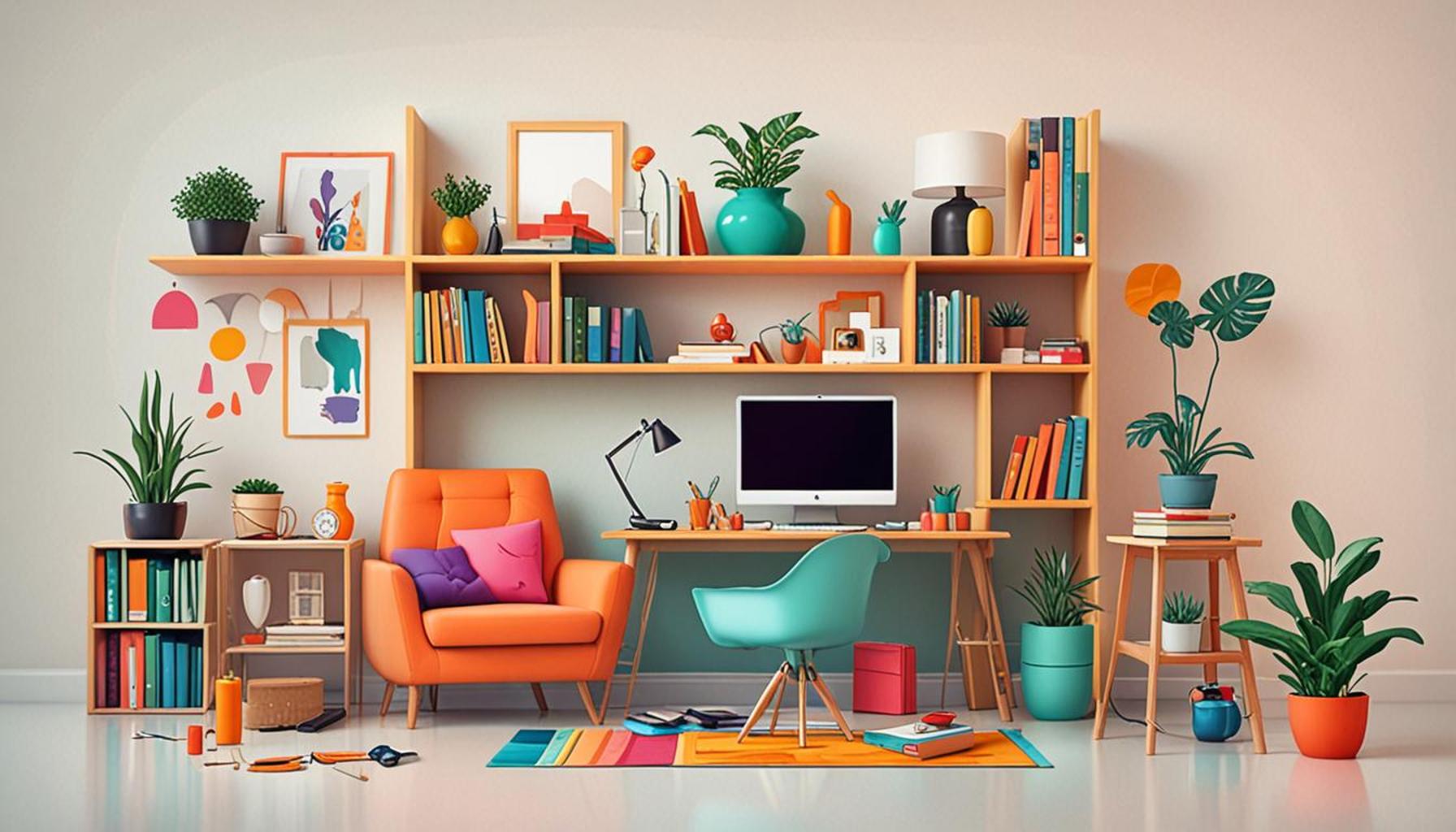
For instance, consider the bookshelf overflowing with books that haven’t been read in years. Curating a collection of books you genuinely treasure, while donating the rest, can be liberating. This not only results in a cleansed space but also lightens the mental load.
4. Creativity in Organization
Transforming your home into a minimalist sanctuary requires a creative approach to organization. This involves sparking your imagination to find innovative solutions for storing items. Use floating shelves, storage boxes under the bed, or multifunctional furniture that not only saves space but also enhances aesthetics.
Consider categorizing items by type, usage, or frequency. For example, a well-organized closet can free up space and make accessing your wardrobe more effortless, creating a seamless start to your day.
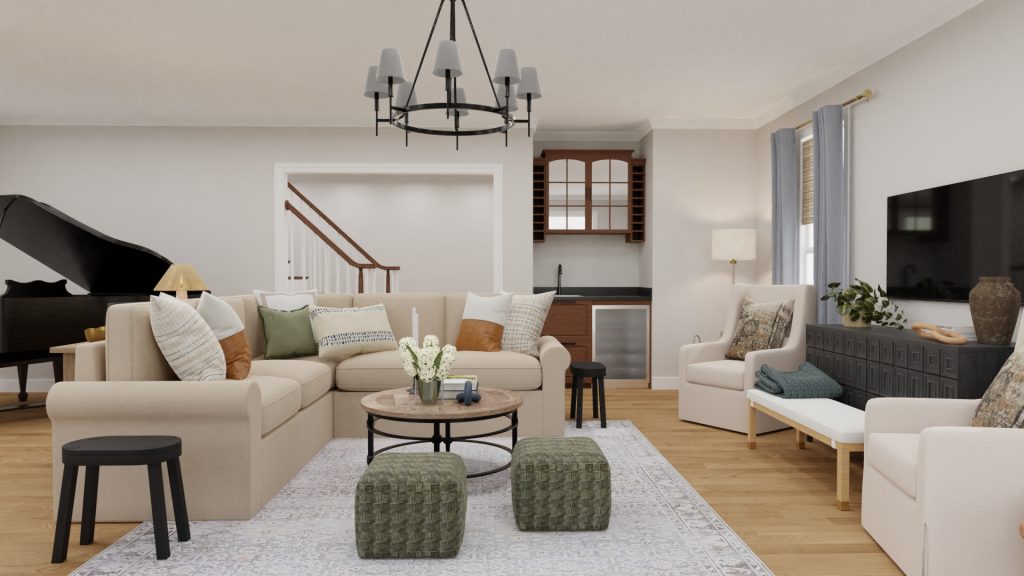
Visualize your living room; perhaps it can become an example of efficient organization. Utilize a coffee table with hidden storage or a sofa with integrated shelves. These choices enable a clutter-free space, fulfilling both form and function.
3. The Importance of Natural Light
A minimalist home involves more than just reducing physical items; it also encompasses creating an environment that flows. Maximizing natural light plays a crucial role in this transformation. Naturally lit spaces promote a sense of expansiveness and tranquility.
When arranging or choosing furniture, consider the positioning of windows and how sunlight travels through the rooms. Light curtains and pale wall colors can help make spaces appear more open and airy, enhancing natural light.
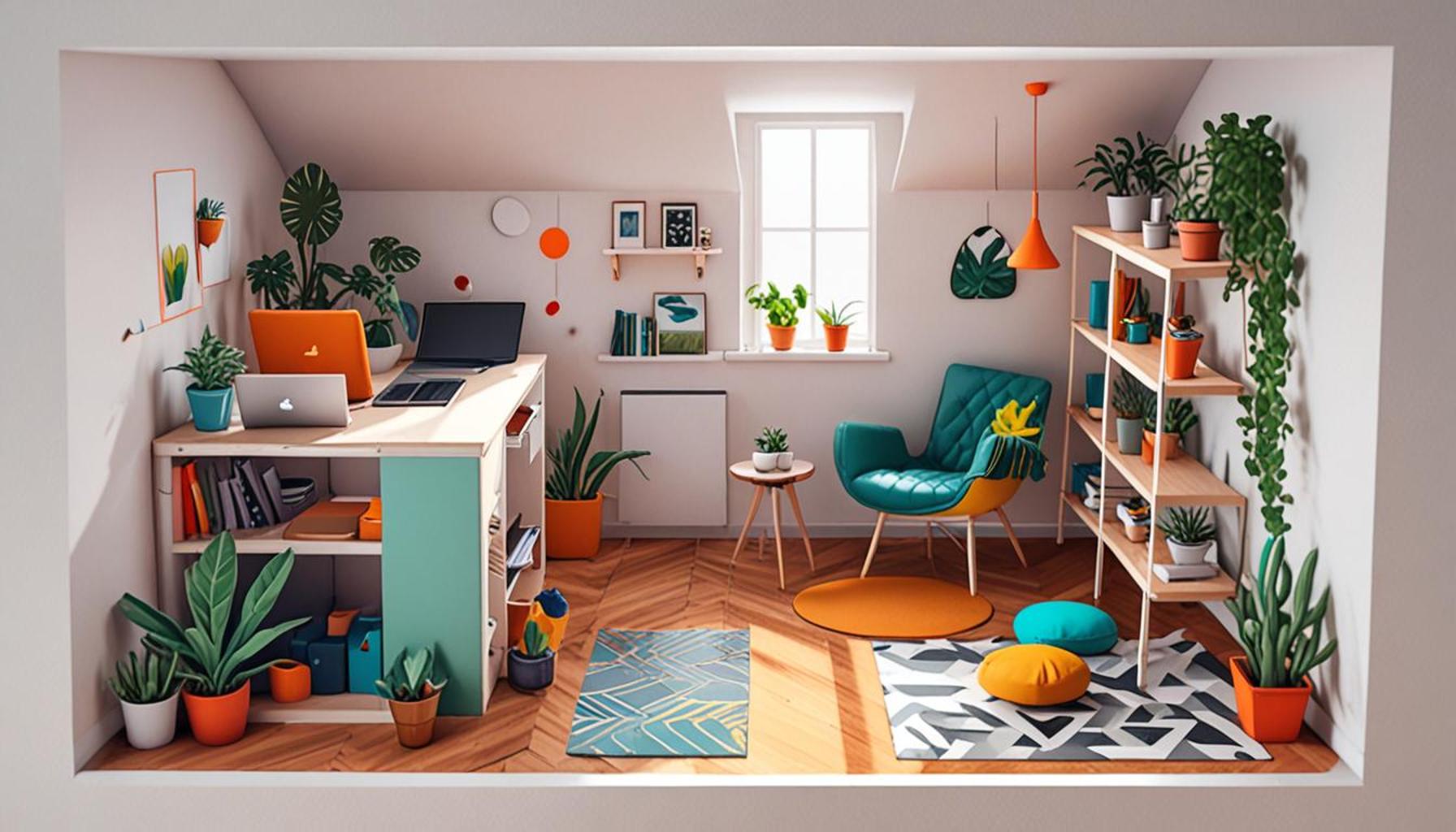
Imagine a home office bathed in natural light; it energizes and boosts productivity. Proper lighting can uplift a space, transforming it from ordinary to extraordinary. Skylights or larger windows in key rooms can introduce an abundance of light and contribute substantially to creating a rejuvenating atmosphere.
2. Choosing a Neutral Color Palette
The color palette of your home can significantly affect your mood and perception of space. Opting for neutral colors and soft shades can instill a sense of calm, ideal for a minimalist sanctuary. Colors like beige, light gray, and even white will create a serene environment, allowing the few decorative objects to stand out.
With subtle adjustments in color, you can create focal points without compromising the simplicity of the space. Think about adding plants as a way to introduce life and color, while maintaining the harmony and serenity that minimalism strives for.
Consider your bedroom: neutral tones with slight color infusions through pillows or a throw can create a calming effect. The simplicity of the color scheme allows personal touches such as framed photos to pop without overwhelming the space.
1. Function and Purpose
At the top of our list is the necessity for every item in your home to persist for a purpose and a function. This concept is foundational to minimalism; each object should have a clear reason to exist in your space. While evaluating your belongings, consider how each one plays a vital role in your daily life and contributes to your home’s overall atmosphere.
This assessment not only aids in organization but also allows you to appreciate every article that forms part of your story. This refinement creates not just physical but also emotional space, enabling you to live more intentionally and focused.
For example, in your kitchen, rather than filling cabinets with tools you rarely use, focus on devices and utensils that serve multifunctional purposes. A well-curated kitchen makes preparation and cooking more seamless and enjoyable.
Ultimately, applying these five principles of intelligent organization does not merely result in a clean and organized home but fosters a more conscious and balanced life where simplicity truly reigns.
| Category | Advantages |
|---|---|
| Clutter Reduction | Intelligent organization systems significantly minimize clutter, thereby creating a more spacious and less chaotic environment. This reduction can lead to improved focus and mental clarity. |
| Space Optimization | By organizing with intention, homes can better utilize available spaces, turning overlooked areas into functional zones. This could mean transforming corners into cozy reading nooks or effective storage spaces. |
| Stress Reduction | An organized home can contribute to lower stress levels, providing a sense of tranquility. This state of mind promotes relaxation and can make it easier to unwind after a long day. |
| Increased Productivity | With everything in its designated place, individuals often find themselves more productive. The time saved by not searching for misplaced items can be redirected towards achieving personal or professional goals. |
Frequently Asked Questions About Transforming Your Home into a Minimalist Refuge
What is the concept of intelligent organization in a minimalist context?
Intelligent organization refers to the strategic arrangement and management of household items to achieve a clutter-free space while maintaining functionality. In a minimalist context, it implies using smart storage solutions and applying the principles of minimalism to keep only what is necessary. This can involve multi-purpose furniture and optimized layouts to make the most of limited space, emphasizing the mantra “less is more”.
How can a minimalist home environment benefit my mental health?
Numerous studies suggest that a minimalist home can have a positive impact on mental health. The absence of clutter can lead to reduced stress and anxiety levels. A well-organized, clean space promotes a calm and peaceful atmosphere, encouraging relaxation and focus. Moreover, minimalism often leads to a simplified lifestyle, allowing individuals to spend less time organizing and more time doing what they love.
Are there any specific techniques to start minimizing clutter effectively?
One effective technique for minimizing clutter is the “one in, one out” policy, where for every new item brought into the home, an old item must be removed. Another approach is room-by-room decluttering, focusing on one area at a time to avoid becoming overwhelmed. Additionally, adopting the Marie Kondo method, which involves keeping only items that “spark joy,” can also be a beneficial way to reduce clutter.
Is it possible to adopt a minimalist lifestyle while living with a family?
Yes, it is possible to adopt a minimalist lifestyle with a family by involving every member in the process and setting shared goals. Each person can be encouraged to evaluate their belongings and decide what is essential; communal spaces can be organized to accommodate the needs of all while remaining clutter-free. Practical steps might include shared storage solutions and designated spaces for each person’s belongings.
What challenges might I face when transitioning to a minimalist home, and how can I overcome them?
Common challenges include emotional attachment to belongings and resistance from family members. To overcome these, start with small steps like decluttering a single area or category. Educate yourself and your family about the benefits of minimalism through books, podcasts, or documentaries. Emotional challenges can be managed by focusing on the positive aspects of letting go, such as creating space for new experiences and reducing stress.
Conclusion: Embracing Intelligent Organization for a Minimalist Refuge
In today’s fast-paced world, the pursuit of simplicity and serenity within our homes has never been more appealing. Intelligent organization offers a transformative approach to achieving this goal, turning any living space into a haven of minimalism. Throughout this exploration of minimalism and personal organization, we’ve highlighted how strategic decluttering, thoughtful space utilization, and maintaining order can yield substantial benefits in one’s living environment.
A key takeaway is that a minimalist home does more than reduce physical clutter; it fosters mental clarity and enhances overall well-being. By prioritizing essentials and letting go of excess, inhabitants can experience a renewed sense of peace and calm. Implementing smart storage solutions and clever design choices can aid in maintaining organization, ensuring that each item serves a purpose and adds value to your life.
- Decluttering: Removing unnecessary items to focus on what’s truly important.
- Efficient Storage: Utilizing smart and innovative storage solutions to maximize space.
- Mindful Acquisition: Carefully considering new purchases to prevent future clutter.
- Sustainable Living: Embracing minimalism often leads to a more eco-friendly lifestyle by reducing waste and consumption.
- Personalized Spaces: Customizing organization techniques to suit individual habits and aesthetics.
Ultimately, transforming your home into a minimalist retreat through intelligent organization is not just about aesthetics; it’s about creating a space that supports and enhances your lifestyle. As you embark on this journey, keep in mind that simplicity doesn’t mean sacrificing comfort or individuality. By embracing these principles, you can craft an environment that truly resonates with your personal values and offers a rejuvenating escape from the complexities of the outside world.