
Why Conscious Consumption Matters in the Fast Fashion Era

Conscious Consumption in a Fast Fashion World
The **fast fashion industry** has transformed the way we shop, making trendy clothing available at record speeds and low prices. However, this convenience comes at a significant cost to our planet and personal well-being. As consumers navigate this landscape, the importance of **conscious consumption** has never been more critical.
In an age where **minimalism** and personal organization gain traction, understanding the implications of our buying choices can lead to a more sustainable lifestyle. Embracing a mindful approach helps individuals not only declutter their wardrobes but also contribute to a healthier environment. The benefits of conscious consumption extend beyond individual choices and touch on broader societal issues.
This article will explore the relevance of conscious consumption in the fast fashion era by highlighting crucial insights, including:
- The environmental impact of fast fashion.
- How minimalism can reshape shopping habits.
- The psychological benefits of mindful consumption.
- Strategies for maintaining a sustainable wardrobe.
- Real-world examples of conscious brands.
Join us as we delve into the top five reasons why embracing conscious consumption is essential for both personal fulfillment and the planet’s future.
Top 5: The Importance of Conscious Consumption in the Era of Fast Fashion
The fast fashion industry has dramatically transformed how we perceive and purchase clothing. As clothing has become more affordable and trends rapidly changing, the disposability of fashion has increased, raising critical environmental and ethical concerns. In this context, embracing a conscious approach to consumption is essential. Below, we delve into the top five aspects that underscore the need for mindful shopping in the fast fashion era, exploring the impacts on our planet, society, and personal lifestyles, guiding readers toward informed choices that benefit all stakeholders.
5. Environmental Impacts of Fast Fashion
The environmental footprint of fast fashion is expansive and troubling. This industry is responsible for approximately 10% of global carbon emissions annually, contributing significantly to climate change. An often-underestimated consequence is the colossal water consumption inherent in textile production, which lies at the heart of fast fashion’s environmental consequences. It takes about 2,700 liters of water to produce a single cotton t-shirt, a figure that becomes staggering when multiplied by billions of garments made each year.
Moreover, the use of chemical dyes in dyeing processes releases toxic waste into water systems, further exacerbating water pollution and affecting local communities and ecosystems. Addressing these large-scale issues requires consumers to support brands that minimize their environmental footprint through sustainable materials, reduced water usage, and non-toxic dyes.
4. The Cycle of Overconsumption
Fast fashion’s business model thrives on constant turnover, compelling consumers to continuously purchase new apparel, which fuels a culture of overconsumption. Fashion collections change as quickly as every two weeks, propelling consumers into a perpetual buying cycle where the value is derived more from quantity than quality. This behavior results not only in financial strain for individuals but also in textile waste, with millions of tons of clothing discarded annually.
Breaking free from this cycle demands a shift in consumer mindset towards minimalism and sustainable consumption. Embracing fewer, quality purchases focuses on longevity and style that transcends fleeting trends. This shift not only encourages a more ethical marketplace but enables consumers to develop personal styles that are timeless and meaningful.
3. Social Impacts and Ethical Consumption
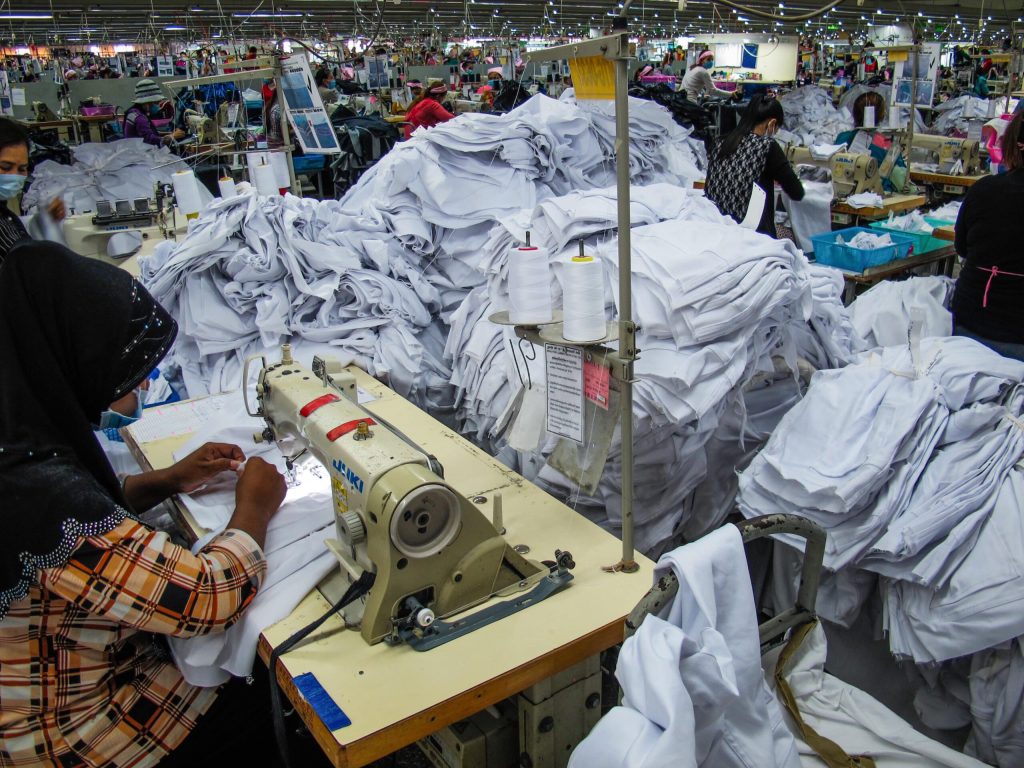
Beyond environmental concerns, the social implications of fast fashion raise profound ethical questions. The industry often exploits cheap labor in developing countries, where workers endure long hours in unsafe conditions for meager wages. This disregard for human rights and dignity is a stark reminder of the hidden costs of inexpensive fashion.
Consumers play a pivotal role in changing this narrative by prioritizing brands committed to humane and fair labor practices. The demand for fair-trade-certified clothing symbolizes a commitment to social justice, supporting communities where workers are paid fairly and treated with respect. Making informed shopping decisions can provide the foundation for a more equitable global fashion industry, fostering improvements in labor conditions worldwide.
2. The Significance of Quality Over Quantity
The appeal of fast fashion often lies in its low prices, but these savings are short-lived. Cheap clothing is synonymous with poor craftsmanship, leading to garments that wear out rapidly. By turning to quality garments, consumers invest in clothing that, despite a higher upfront cost, offers greater longevity and satisfaction.
Quality clothing reduces the frequency of purchases and, by extension, the environmental footprint associated with production and disposal. This investment not only reflects better financial decisions but also aligns with sustainable patterns of consumption. Curating a wardrobe with versatile, durable pieces can redefine personal style while championing sustainable practices.
1. Empowerment Through Mindful Choices
At the core of conscious consumption is the empowerment of consumers to make informed, thoughtful decisions. As individuals become more aware of how their consumption habits impact the world, there is an opportunity to leverage this knowledge for positive change. Each purchase becomes a vote for the type of world consumers wish to create, influencing market trends and corporate policies.
Consumers’ demand for transparency and accountability in the fashion industry can drive significant change. By supporting brands that prioritize environmental sustainability, ethical labor practices, and quality production, shoppers wield considerable power to transform the fashion industry into one that operates with integrity. This collective movement towards responsible consumption reflects a broader societal shift that values sustainability and ethical responsibility.
In conclusion, the transition towards conscious consumption goes beyond personal choice; it represents a collective commitment to the health of our planet and its people. By considering these five critical elements, individuals can navigate their fashion choices with a focus on sustainability and ethics. The ripple effect of these choices promises a more responsible and conscientious fashion landscape, shaping a future that respects both human and environmental capital.
In the contemporary landscape shaped by fast fashion, the significance of conscious consumption emerges as a fundamental principle for both consumers and the environment. Fast fashion offers trendy clothing at astonishingly low prices, yet this convenience comes at a grave cost to our planet and its resources. Diving deeper into the realm of conscious consumption reveals its multiple advantages, which can be comprehensively captured in the following table:
| Category | Details |
|---|---|
| Sustainability | Conscious consumption fosters environmentally friendly practices, reducing waste and lowering carbon footprints. Embracing sustainable brands that focus on ethical production methods ensures we contribute to a healthier planet. |
| Quality over Quantity | By prioritizing quality, consumers select long-lasting clothing, thus saving money in the long run. Higher-quality garments often come with better craftsmanship and materials, providing both durability and style. |
| Ethical Production | Aligning with brands that value ethical labor practices encourages fair wages and safe working conditions for workers. This connection promotes a sense of responsibility in consumers, creating a ripple effect of change in the fashion industry. |
| Cultural Awareness | Conscious consumption encourages consumers to appreciate and support local artisans and traditional craftsmanship. By choosing unique, culturally rich pieces, individuals contribute to the preservation of heritage and diversity in fashion. |
Each of these categories sheds light on the myriad benefits of adopting a mindset of conscious consumption in a world dominated by fast fashion. Emphasizing sustainability leads to long-term environmental benefits, while a focus on quality ensures that consumer spending is optimized. Ethical production practices stimulate not only economic equity but also foster transparency within the fashion industry. Additionally, cultural awareness enriches the consumer experience, allowing for a deeper connection to the clothing we wear. This multidimensional approach highlights how conscious consumption can create a positive ripple effect in this era of fast fashion, inviting readers to reflect on their choices and the broader implications of their consumption habits.
Frequently Asked Questions About Conscious Consumption in the Fast Fashion Era
What is fast fashion and why is it considered problematic?
Fast fashion refers to the rapid production of inexpensive clothing by retailers to capture current fashion trends. This practice is considered problematic because it often leads to overproduction, poor labor conditions, and environmental degradation. The focus is on speed and low cost, which can result in significant waste and negative impacts on both workers and the planet.
How can consumers make more conscious fashion choices?
To practice conscious consumption, individuals should consider buying higher-quality clothing that lasts longer, supporting brands committed to sustainable and ethical practices, and embracing second-hand shopping. Additionally, being aware of a brand’s manufacturing processes and their environmental and social impact can guide smarter purchasing decisions.
Is there a link between fast fashion and environmental issues?
Yes, there is a significant link between fast fashion and various environmental issues. This industry is known for its reliance on cheap synthetic fibers like polyester, which are derived from fossil fuels and are non-biodegradable. The production process often involves toxic chemicals that can pollute waterways, and the high volume of discarded garments contributes to landfill waste.
What role do consumers play in encouraging sustainable fashion practices?
Consumers have a powerful role in reshaping the fashion industry. By choosing to purchase from brands that prioritize sustainability and transparency, consumers can signal to companies the value they place on responsible practices, thereby encouraging brands to adopt more environmentally friendly and socially responsible methods. Awareness and demand for ethical choices can drive significant change.
Are there any economic implications of shifting to sustainable fashion?
While sustainable fashion may come with a higher initial price tag, it can lead to long-term economic benefits. By focusing on quality over quantity, consumers may find they spend less over time by purchasing items that last longer. On a larger scale, fostering a sustainable fashion market can stimulate new business opportunities and innovations, potentially enhancing economic resilience.
Conclusion: The Significance of Conscious Consumption in the Fast Fashion Era
As we navigate through the rapid and often overwhelming trends of the fast fashion world, the need for conscious consumption becomes increasingly evident. Fast fashion offers an array of inexpensive options that frequently change, enticing consumers to indulge in ever-changing trends. However, this has significant implications not only on the environment but also on our personal organization and mental well-being.
In this article, we’ve explored the stark contrast between short-lived fashion fads and the enduring principle of minimalism. By adopting a mindful approach to what we buy, we recognize the impact of our choices, encouraging us to invest only in pieces that add true value to our lives. This approach not only aligns with sustainable practices but also supports a more organized and decluttered lifestyle, fostering a sense of contentment and purpose.
Minimalism goes beyond aesthetics; it is a practice that emphasizes quality over quantity, urging us to focus on building a wardrobe and home environment that reflect our personal values rather than fleeting trends. The path to minimalism and personal organization is deeply intertwined with making conscious choices that promote environmental sustainability and personal well-being.
As consumers, our power lies in the choices we make every day. By opting for quality, durability, and sustainability, we contribute to a fashion industry that values ethical standards and environmental preservation. As we conclude our exploration on this pivotal topic, it is vital to champion conscious consumption as a cornerstone of both individual fulfillment and collective environmental responsibility.
Ultimately, the journey towards conscious consumption in the fast fashion era challenges us to redefine what we truly need, fostering a lifestyle of intentionality that benefits both ourselves and the broader world.